Today I can (finally) make public the main reason I joined Corvus Belli in late 2013: it was to participate in the creation of a fantasy wargame. Back then, we didn't even have the game system panned out, but we were definitely sure that the first step would be to create a setting to provide it with a context. Se we started working toward building our own fantasy world.
It began with a number of brainstorming sessions in which every participant presented their ideas which, in turn, created new ideas, so these sessions got drawn out in time. These gatherings didn't follow a strict methodology, since we aimed to find a common ground from which to start. This rich process was fully recorded and stored raw with the intention of refining it at a later date.
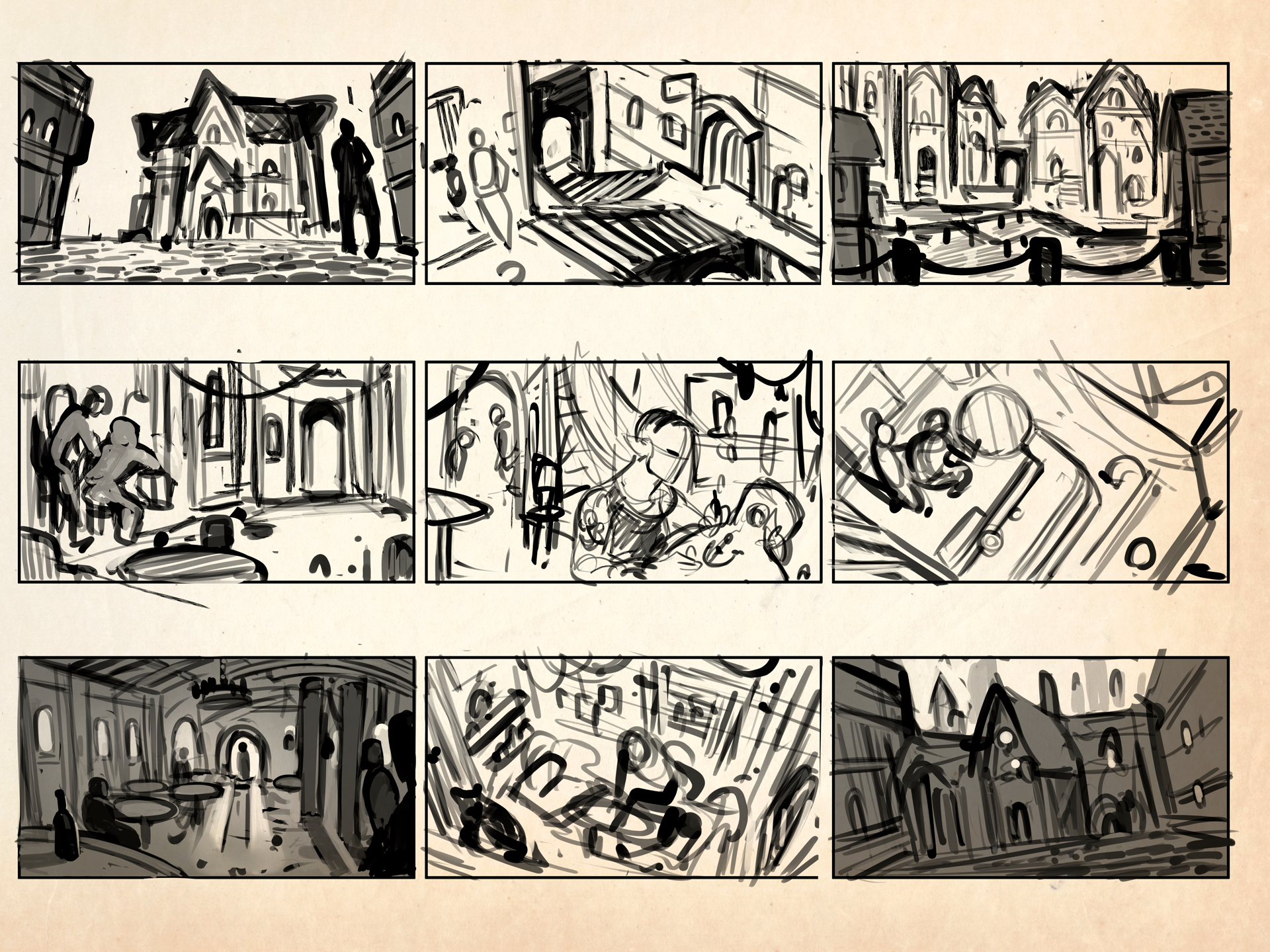
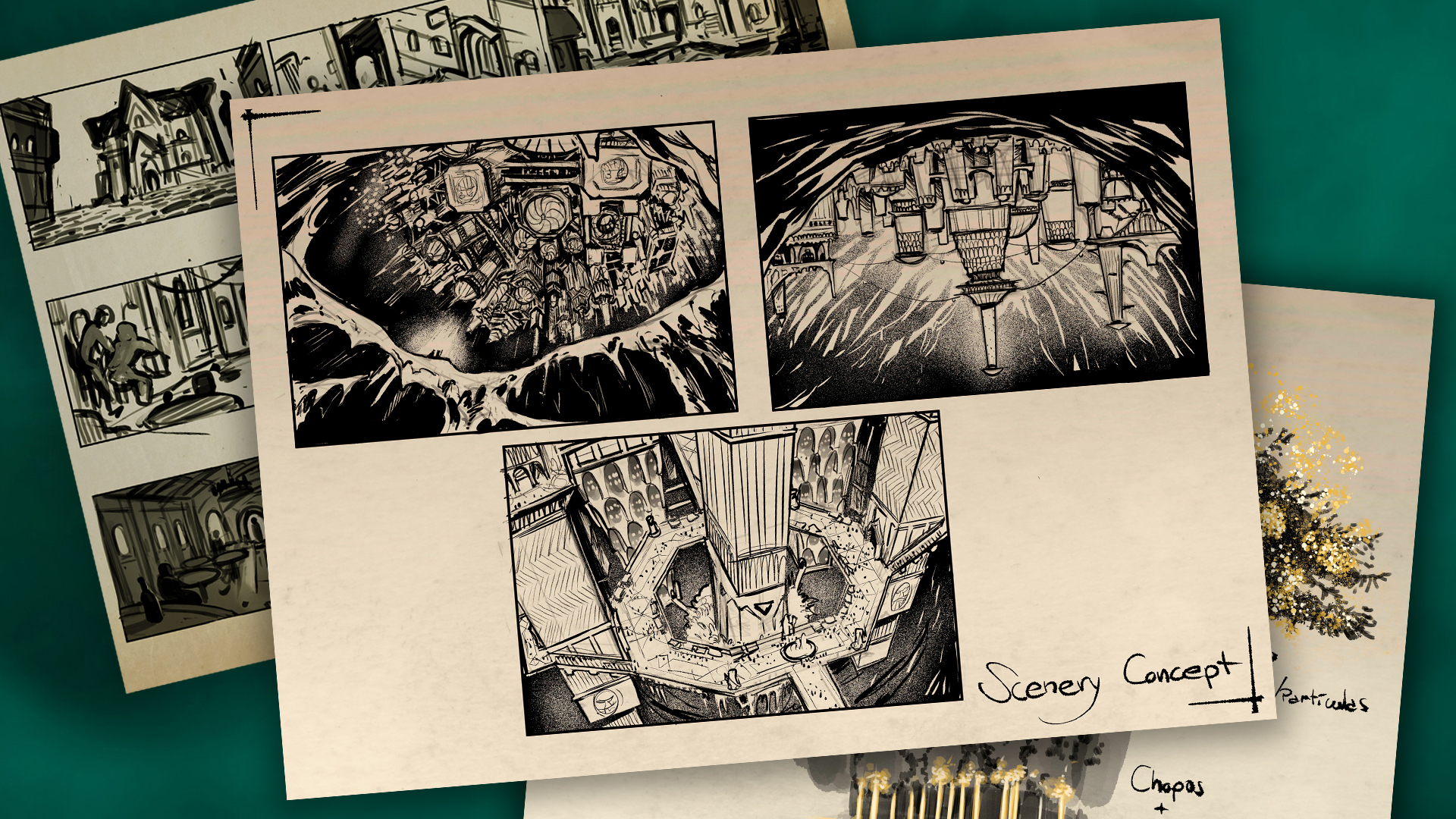
But we were in a moment of the apparent calm that would soon come to an end thanks to a wonderful event that marked a milestone for Corvus Belli. Our first battle box, Operation Icestorm, had sold extremely well, so all of the company's efforts now turned towards Infinity, and all the material on the fantasy world we had so far was safely put into cold storage. Waiting for the right set of conditions to reemerge.
It wasn't until late 2020 that the project could be resumed, aided by the pleasant surprise that our colleague Al (aka BranDoCastro) had been developing a world to use as a setting for roleplaying matches with his gaming group. One could say our fantasy world hadn't been frozen but germinating. Now we could truly begin with the worldbuilding phase.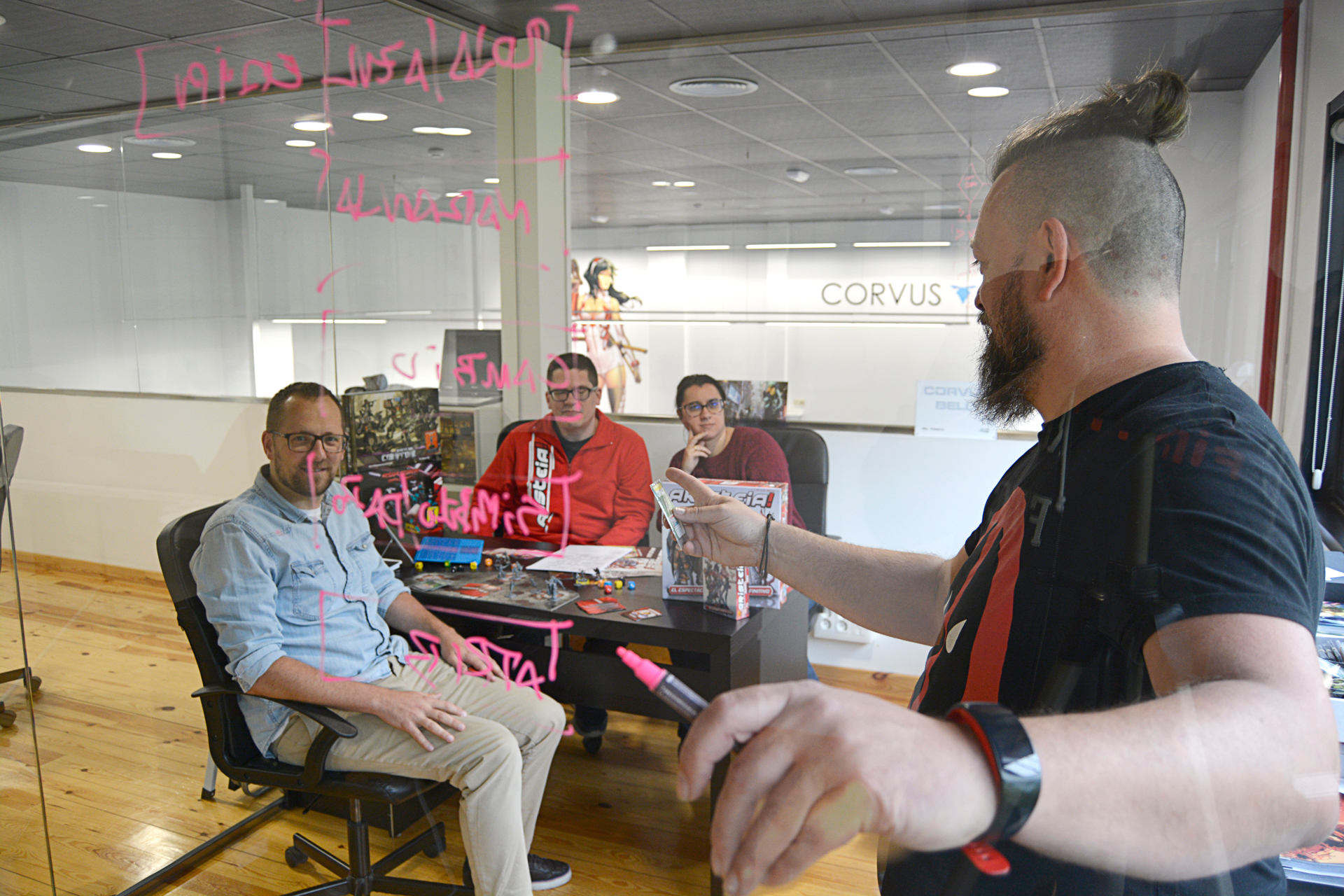
Worldbuilding
Creating an imaginary world is an essential process to solidify any fictional story. It consists of defining our world so it can have a credible environment that's detailed enough that it would become yet another piece of the story we want to tell, and not merely background decoration.
We could've built just the bare minimum front of this world to hold the wargame's game elements, but our goals were much more ambitious. We wanted to seize the opportunity and create a "world bible", a framework as complete as possible that could be expanded in any direction or that could be the base for any future projects related to our fantasy world.
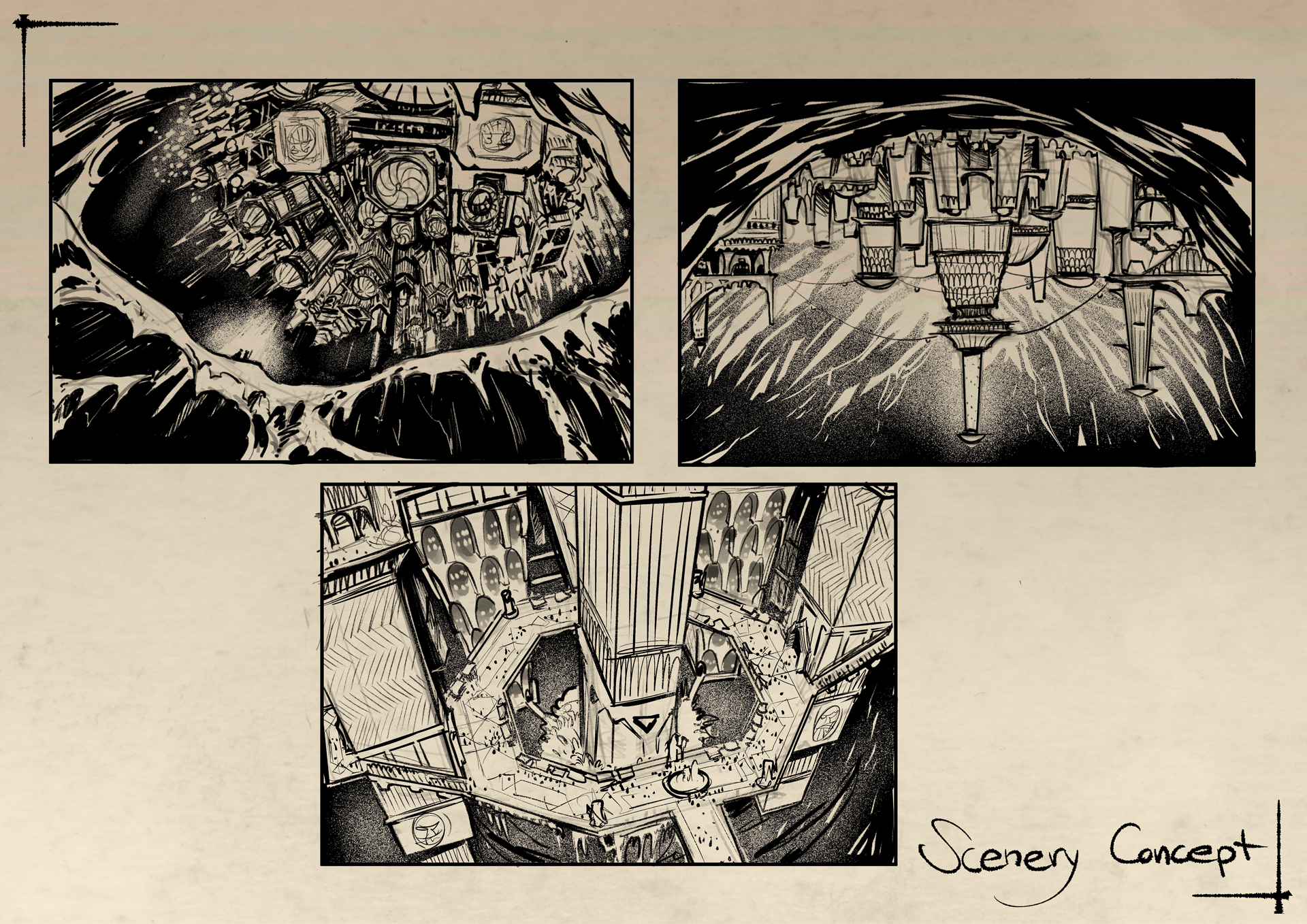
In order to manage and write that much content, we hired the services of two professional writers who participated during the entire process and enriched us with their input and experience: Silvia Pato and Rodrigo García Carmona.
Silvia Pato is the author of fantasy novels such as Las nueve piedras, El Libro del Único Camino, and La Hermandad, as well as science-fiction tales such as "La Casa de los Libros" and "El último viaje", published in the specialized magazines Planetas Prohibidos and Alfa Eridiani, among others. Her latest work involving the fantasy genre is the essay Breve historia de la fantasía, edited and published by Ediciones Nowtilus.
Rodrigo García Carmona is the creator of the multiple award-winning games La Puerta de Ishtar (The Ishtar Gate) and has worked for many companies and publishing houses, such as Kobold Press, TSR, Lamentations of the Flame Princess, Star Line Publishing, Edge Entertainment, and Other Selves, being a founding member of the latter. He's also a professor of, among other things, game design at the CEU San Pablo University and the gamification master's degree at the Rey Juan Carlos University.
The first thing we did was to answer a list of more than forty basic questions that helped us establish the limits of the world. Questions such as: What territories are there and how are they divided? What are the politics of each territory like? How many ethnicities are there? What's the relationship between them? What are the available means of transport? What's the most used? What's the religion of the inhabitants of each territory? Deserving special mention is the specific block reserved for magic: How is it learned and performed? What can it do? Who can use it...? And the most important of all: What's the price for using it?
Each question stirred a more or less intense debate that implied hours of meetings in which we couldn't help but be carried away by the passions and excitement of people that's been involved in this hobby for many years.
In the end, each one of us has a particular vision regarding fantasy and at least one race from this fictional world that we feel a predilection for.
The races
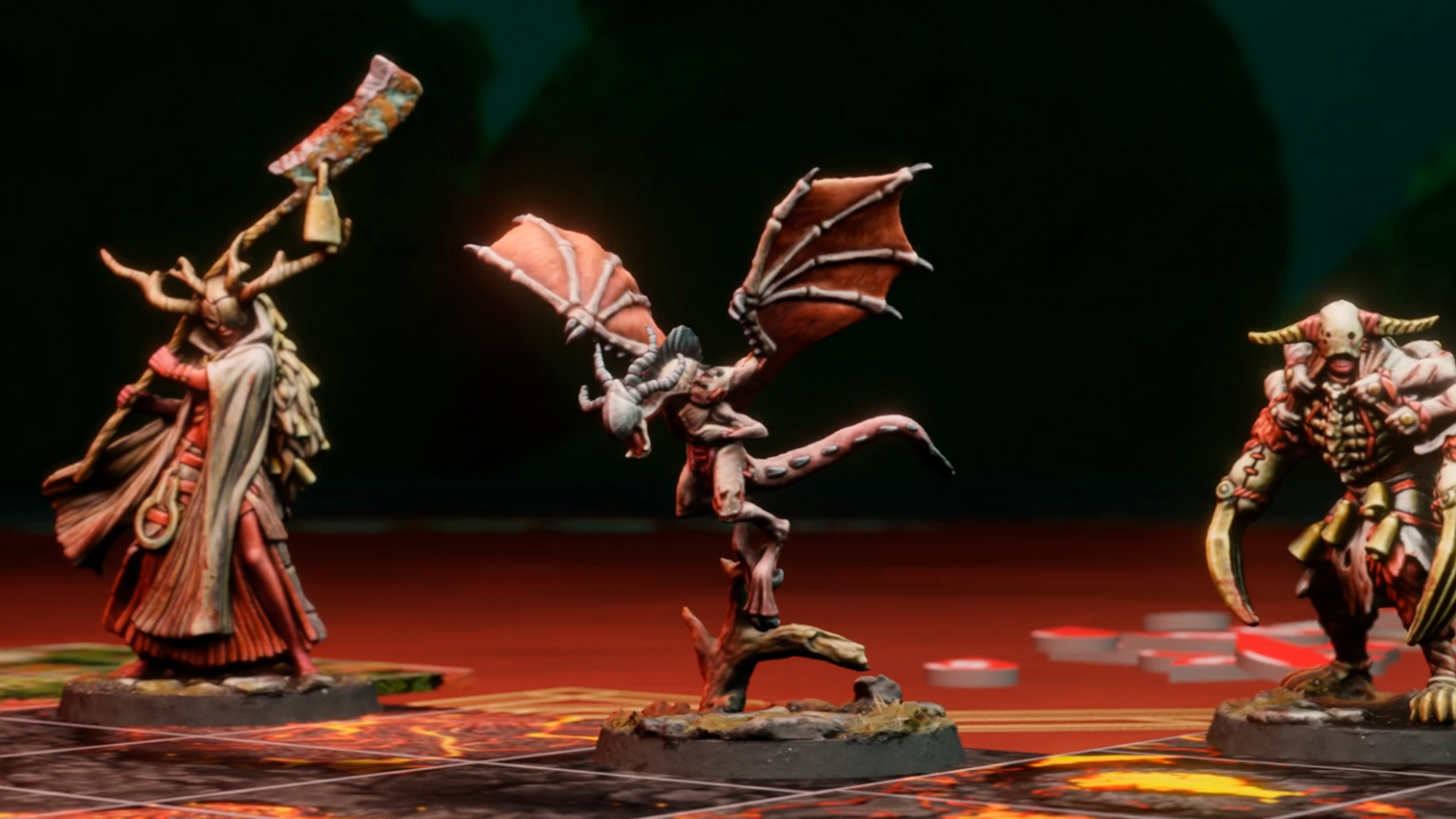
We started from the large block of clay that was the raw material created years ago, and using our answers to the basic questions as tools, we shaped it aiming for the goal of defining the wargame nations that our characters will represent in Warcrow Adventures, the Dungeon Crawler.
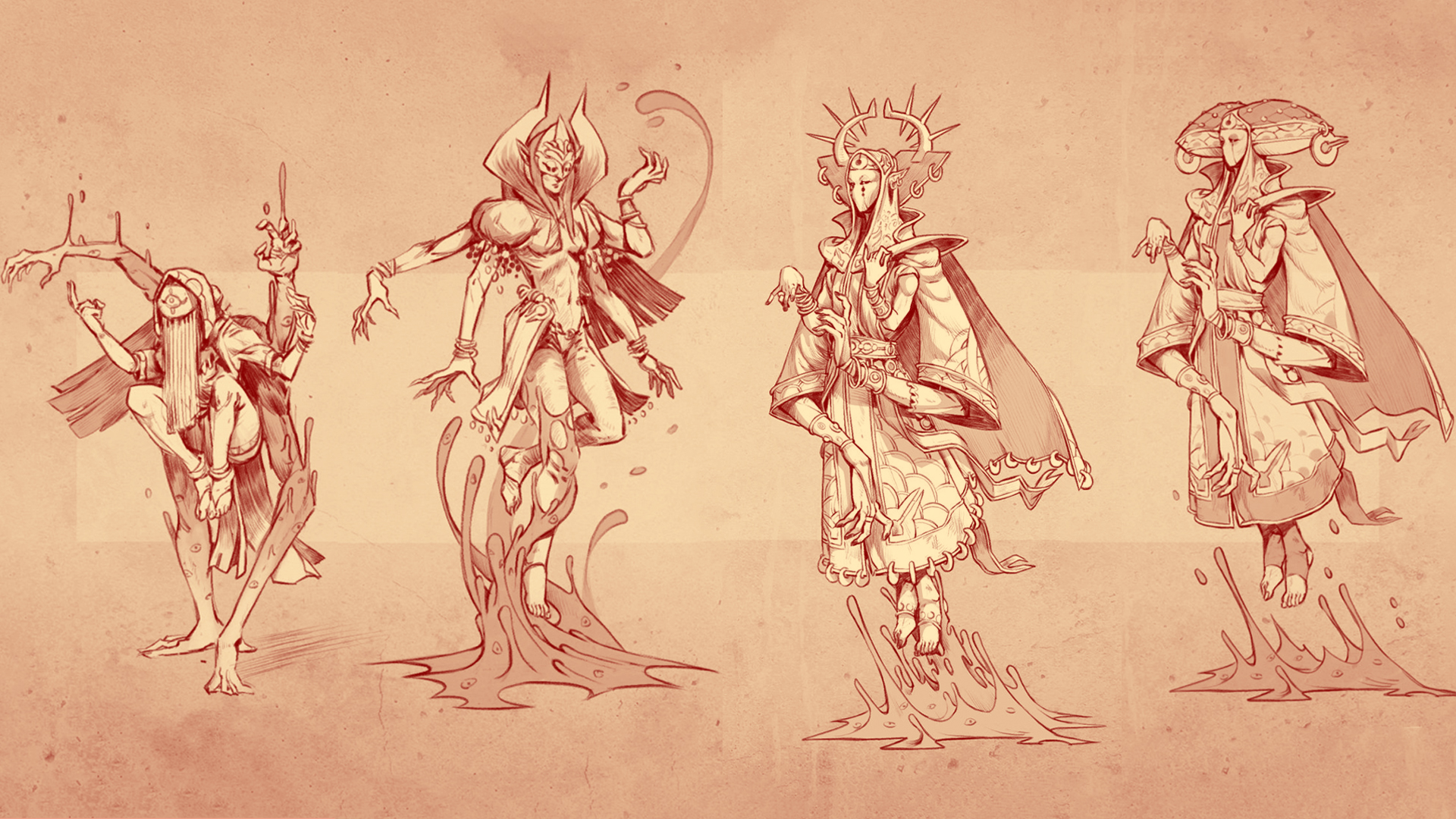
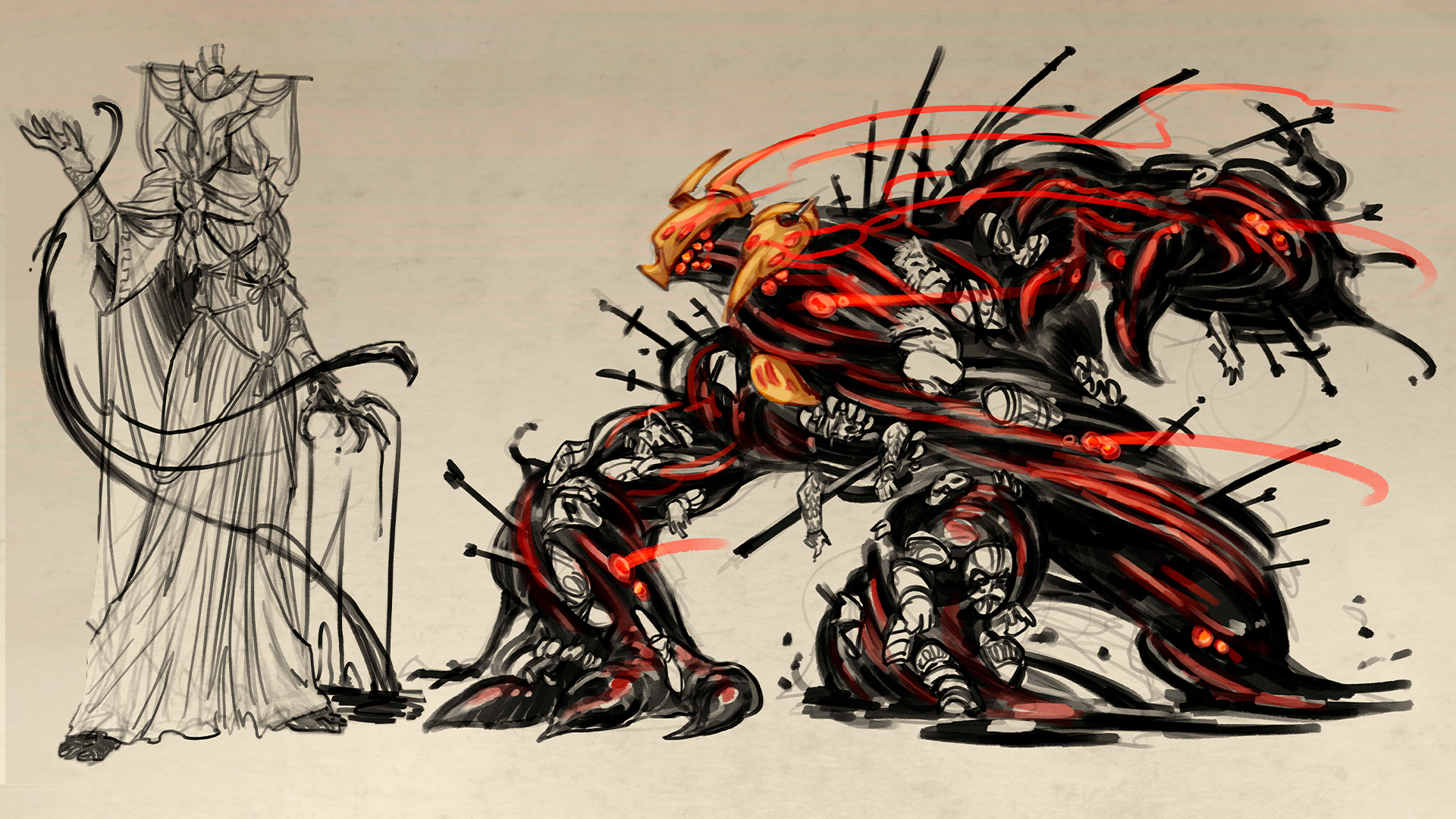
We made a list of races or species that we wanted to include with the idea of gathering them to create at least six nations, to begin with. We wanted to introduce a baseline of races that would be easily recognizable by large audiences, so we couldn't miss humans, dwarves, elves, and orcs. As stated before, the simplest course of action would've been to say that said races (or rather, species) had always been there, had been made by some gods or that they crossed an interdimensional portal.
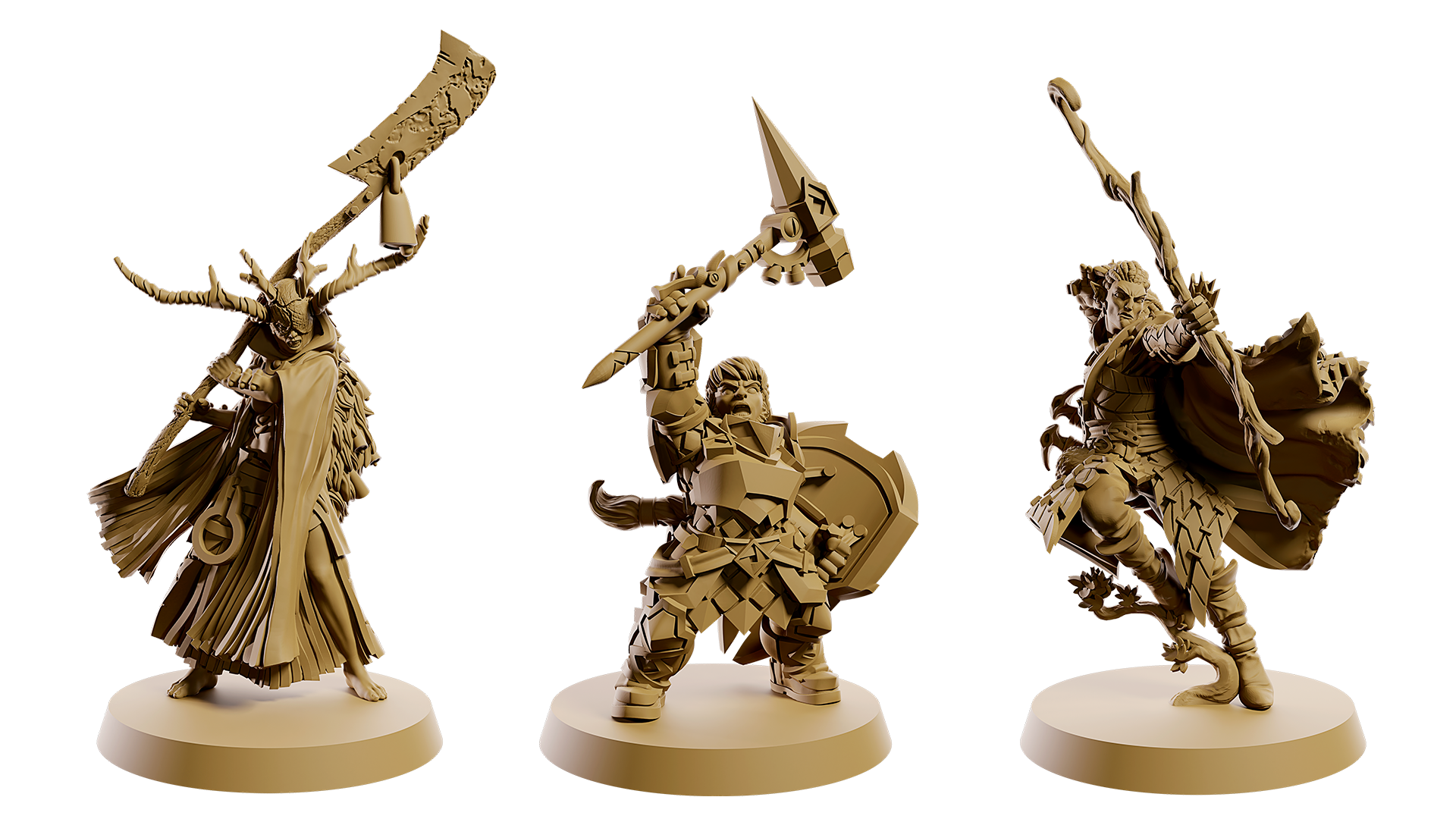
But to make our world a believable one, we designed entire evolutionary reasoning that would explain which races are native to this world (dwarves and orcs) and which ones appeared later. This was important for us since that ancientness emphasizes the chronicler spirit of the dwarves or sets a leitmotiv for the orcs, who want to recover what was taken from them centuries ago. As for humans, elves, and the Varank—the younger races—they all share a common ancestor and that's why they have similar features.
Geography and cosmology
Thus, we saved us a lot of heavy work, but we still needed to create continents and oceans (those definitely had to be new), with all the issues they imply, especially climate-wise. We experimented with some configurations until we reached one that could encompass a wide range of climates that would allow for the existence of forests, frozen wastelands, deserts, temperate areas, etc. Likewise, we always kept an eye on history, which shows us, for example, the impact that an inland sea—such as the Mediterranean—can have on the development of civilizations.
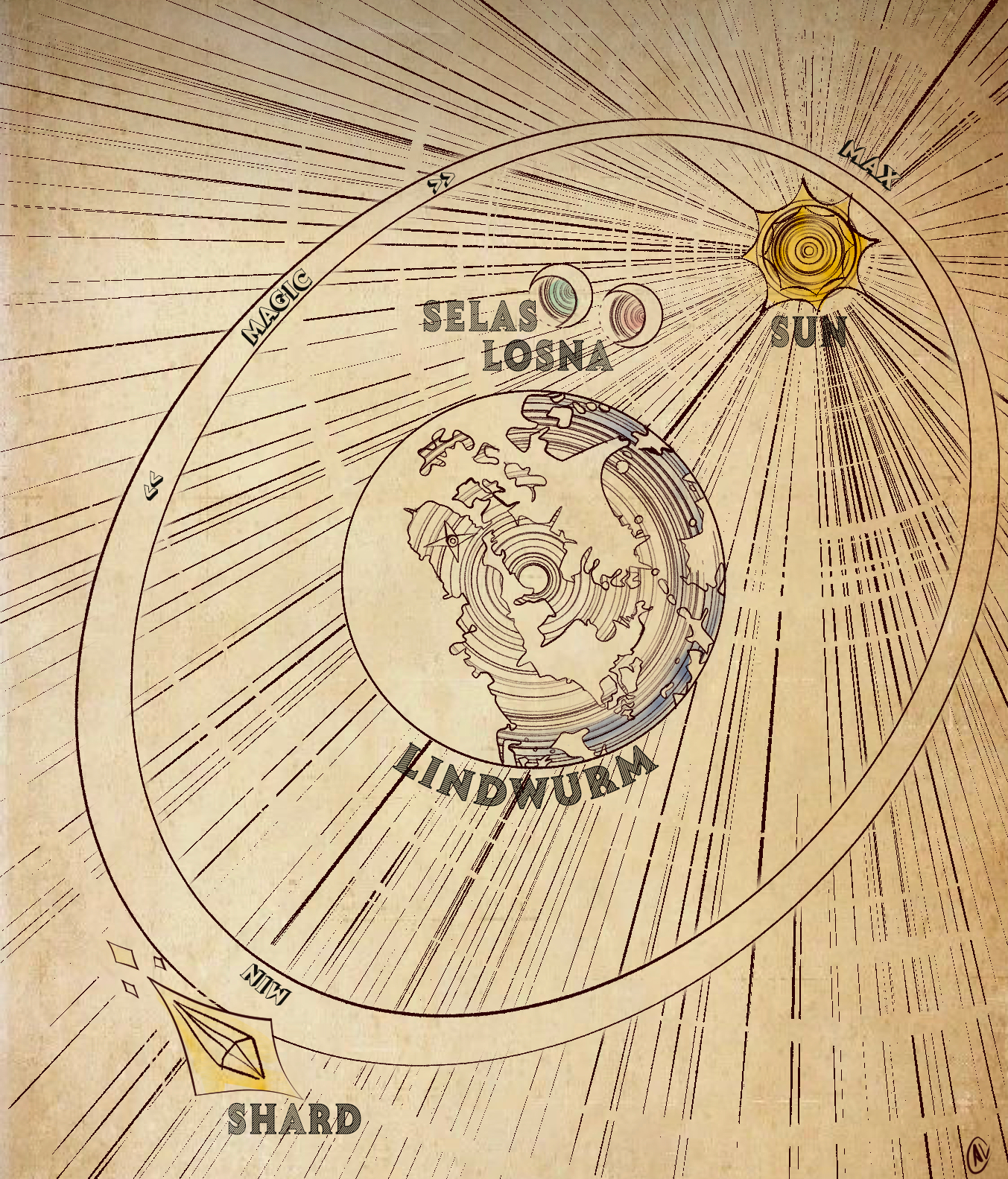
Regarding the cosmology, we placed our world in a solar system much like our own (foregoing defining other planets) and as creator gods, we allowed ourselves the pleasure of giving it two moons orbiting the world at the same distance, moons that play a key role for the most religious nation: Feudom. Lastly, we added the most important element: the Magic Shard.
The magic
The Magic Shard (called Warcrow by the Varank) is an element we introduced for the purpose of creating cycles of magic in our world. We wanted magic to be a force of change, capable of elevating a civilization to dominance, but also of causing its doom (the cost of magic). So we established the Warcrow would have an orbit around the world that'd empower the magical effects when it moves closer, but that'd diminish them to near-disappearance when it moves away.
Two civilizations have excelled and dominated the others at two different times in history thanks to their knowledge and use of magic. And both fell because of it in one way or the other. We decided to set the current story of the wargame at the beginning of a new magical cycle to give all nations the chance of becoming the next ruler of the world.c
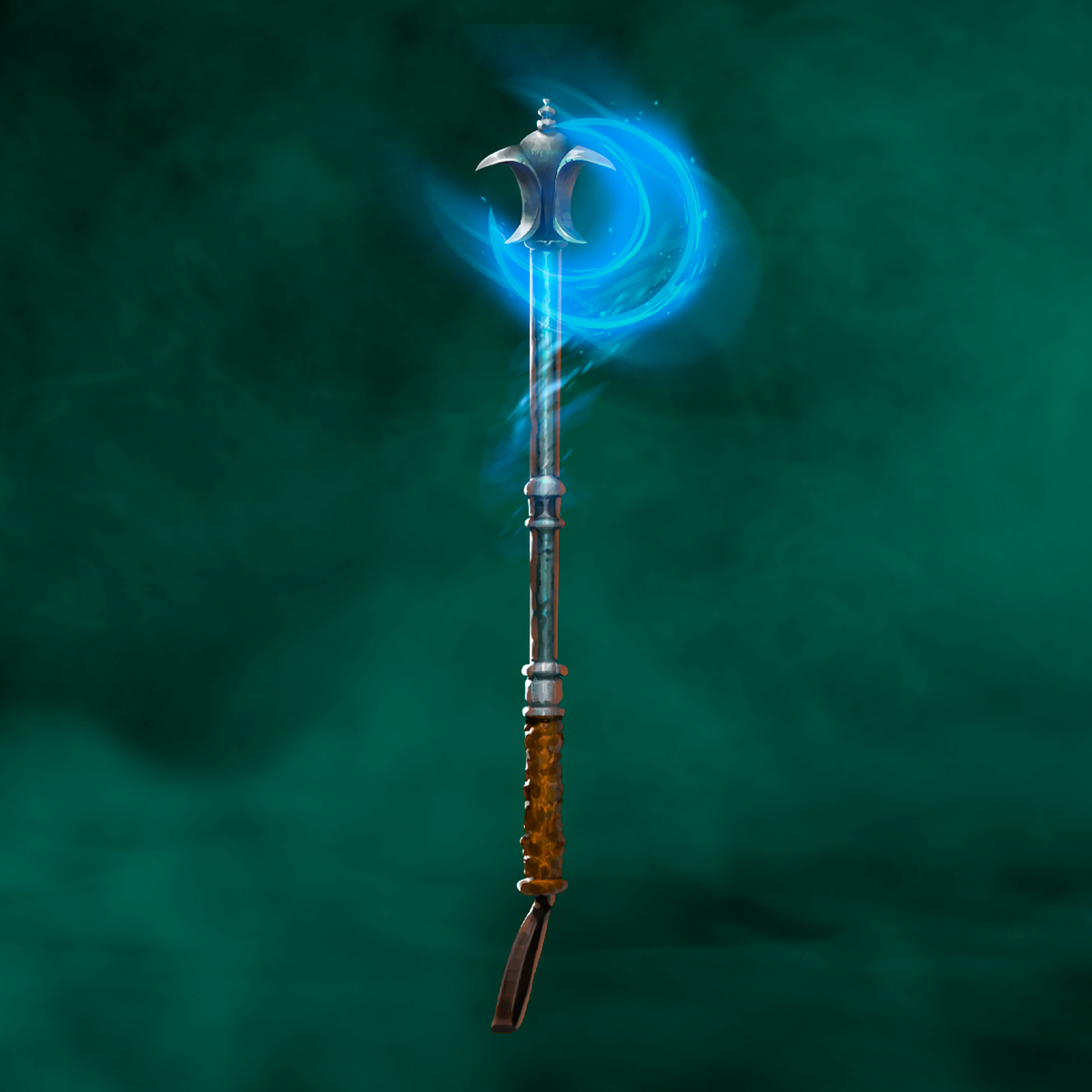
In addition to these cycles, we set limits to magic, to its use and abuse, and we defined who can use it, how, and why, since magic had to come with a price. We strived to avoid answering questions with the classic line "a wizard did it". It was something we applied to every aspect of the worldbuilding process, but very specifically to magic. Therefore, in addition to the Shard, we added orichalcum into our world, a mineral that acts as a catalyst and that sparked a long and thorough debate regarding its presence, handling, scope and limits, the way it "works", and a long list of other issues.
Lindwurm
Finally, after a long process, we've created Lindwurm, the known world in which Warcrow Adventures and Warcrow unfold. The road taken has been long, bumpy, and sometimes steep, but wonderful nonetheless. And although it may seem entirely finished, the best is yet to come: to see what the future holds.