Concept artist: Ernesto Irawan
Ilustrator: Aitor Sebastián
Sculptor: Antonio Moreira
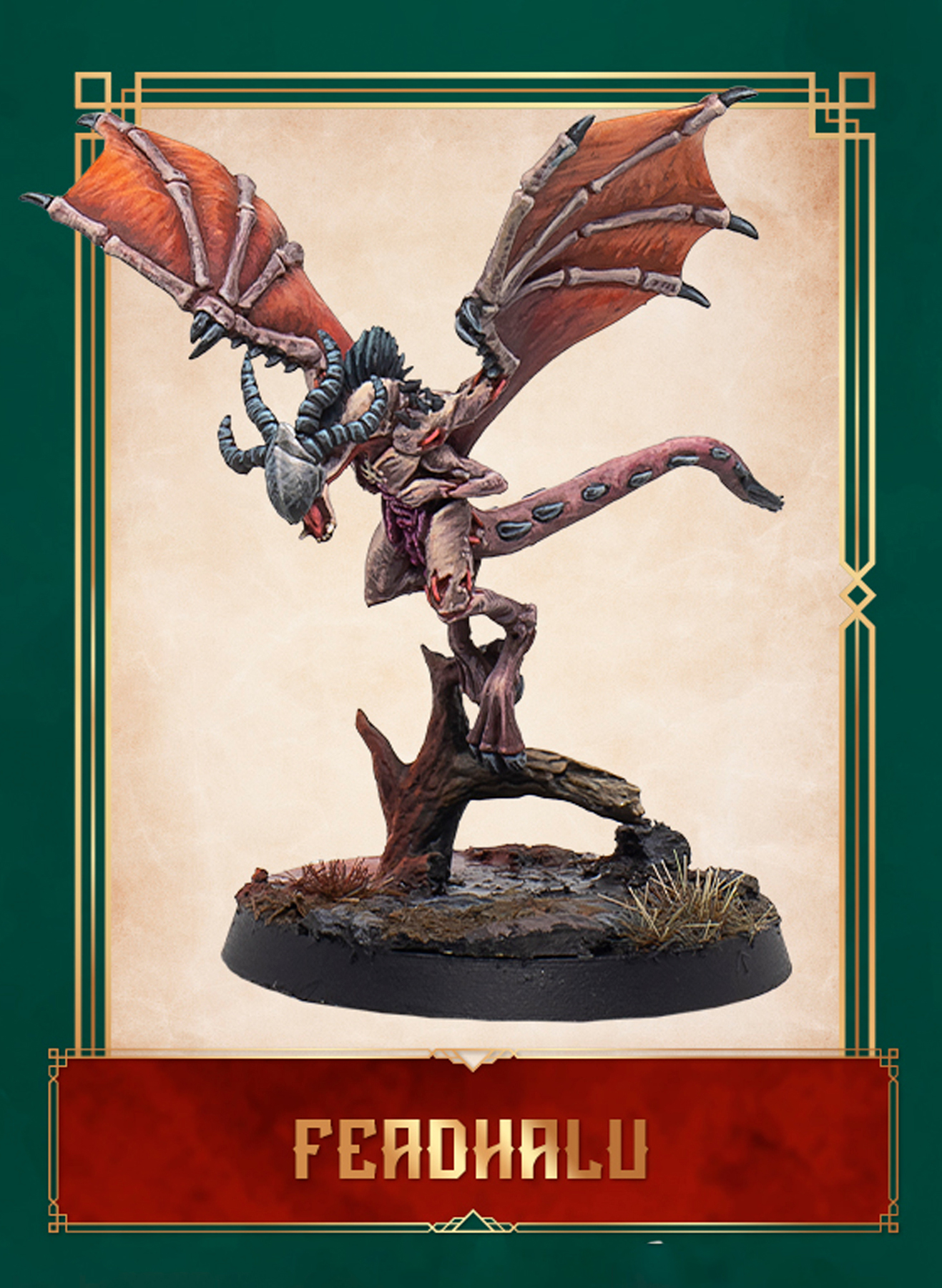
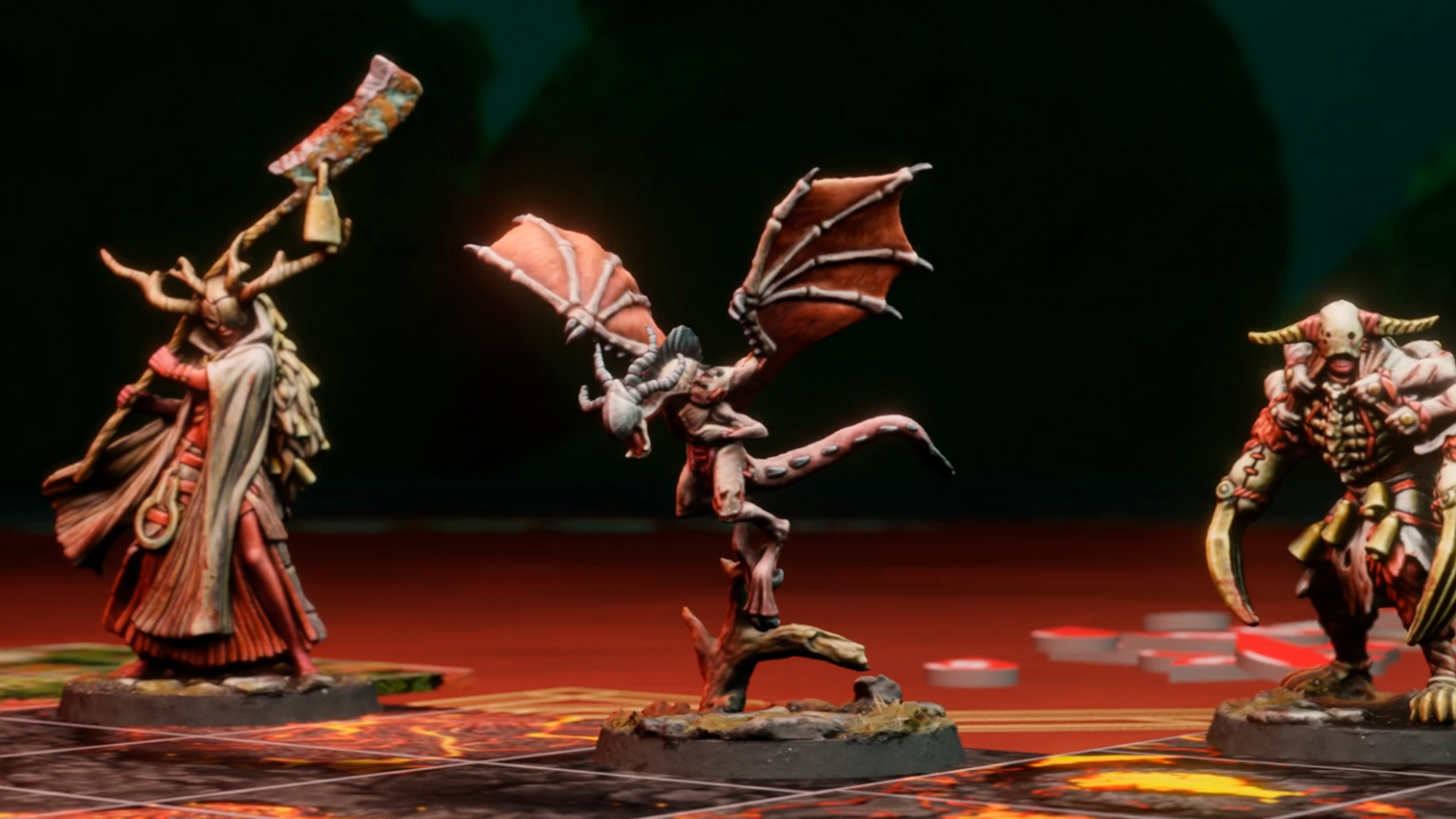
The Whistler (as we called the Feadhalu until we found its “scion” name) is a perfect example of how the visuals of a miniature may vary from the beginning of a process to the very end. We first came up with a creature like the Whistler back in autumn 2021, when we were flirting with a very (very) incipient army list for what would later become the Scions of Yaldabaoth (that was not even their name, mind you, but the Higher Deities forbid me to comment further on that). Yet, it is important for you to know that the Whistler was conceived for the wargame, and not the dungeon crawler. That decision was made later and, thus, the changes in its design.
Allow me to tell you what the Whistler looked like many moons ago. The Feadhalu-to-be was not a single-model beast, but a unit. They were a variation of a bat, and they would come to the battlefield as a colony (or a camp, English is not my first language and animal gatherings are a pain). Their job was to annoy the hell out of the opponent’s units, behaving more like a swarm of angry wasps than a colony (or camp) of bats. But something that was to become the signature of these tiny creatures was the deafening penetrating shriek they were able to produce. Back in the day, they just used their throats to do so. But that was about to change.
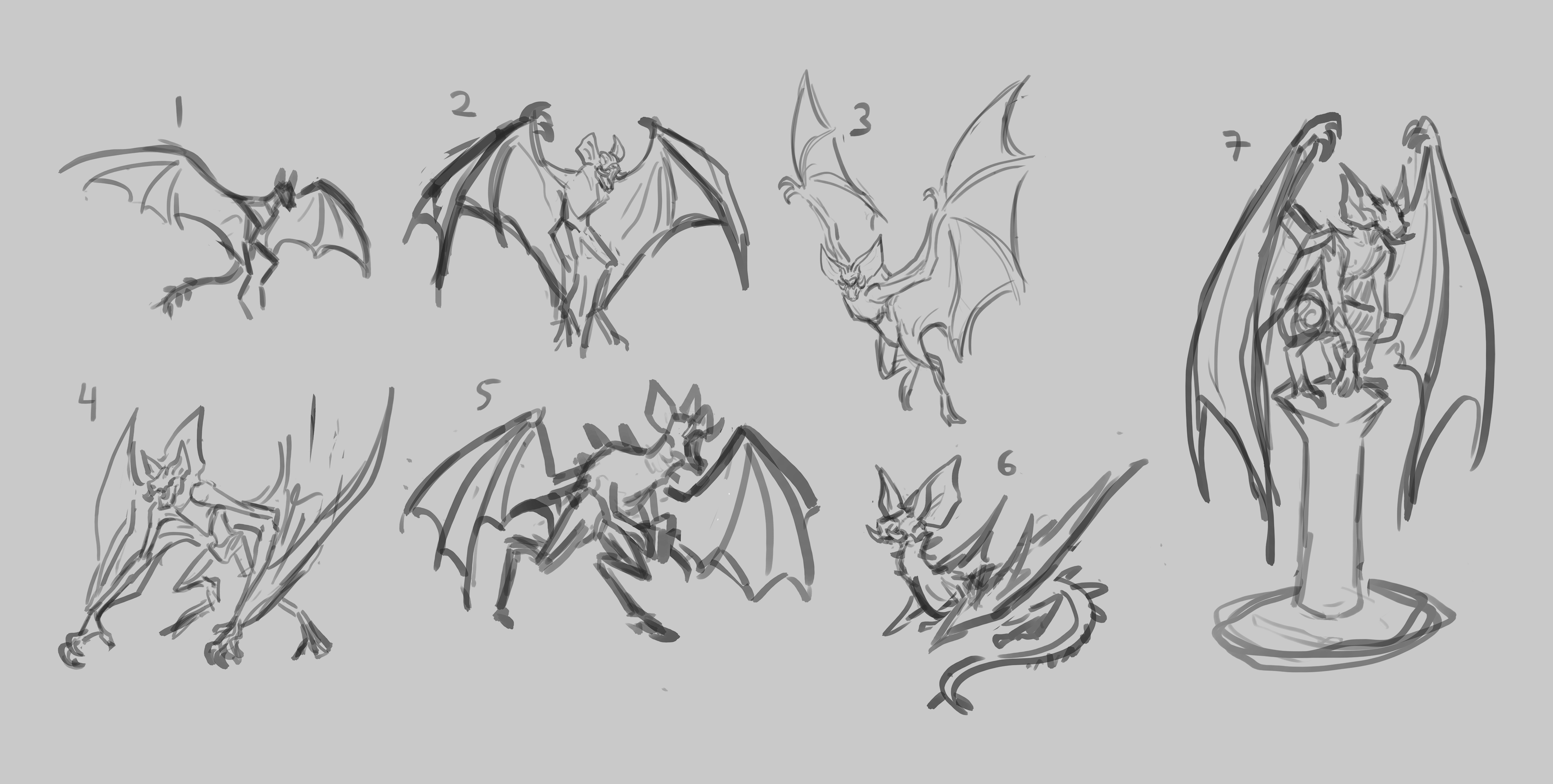
When tackling Warcrow Adventures, the dungeon crawler, we made a selection of which troops from the Scions would make it to the core box (which means there is a handful of followers of the Architect you have not seen yet… I’ll shut up now, I promise). The Whistlers made it into that list, and eventually, we came up with their “original” name, Feadhalu*. I even have a sketch of Master Samara with one of the little Feadhalu on their shoulder.
* Just a quick digression here: when we say “their original name”, we mean the Scions use their own language and thus name their creatures accordingly. However, we took piety of the world and also coined a sobriquet in the common tongue to call them. In that fashion, the original name of this beast is Feadhalu, but the rest of the world calls it Whistler. Same with Kipleacht and Anklesnatcher, or Aodharu and Faceless. Long live the Dead Flesh!
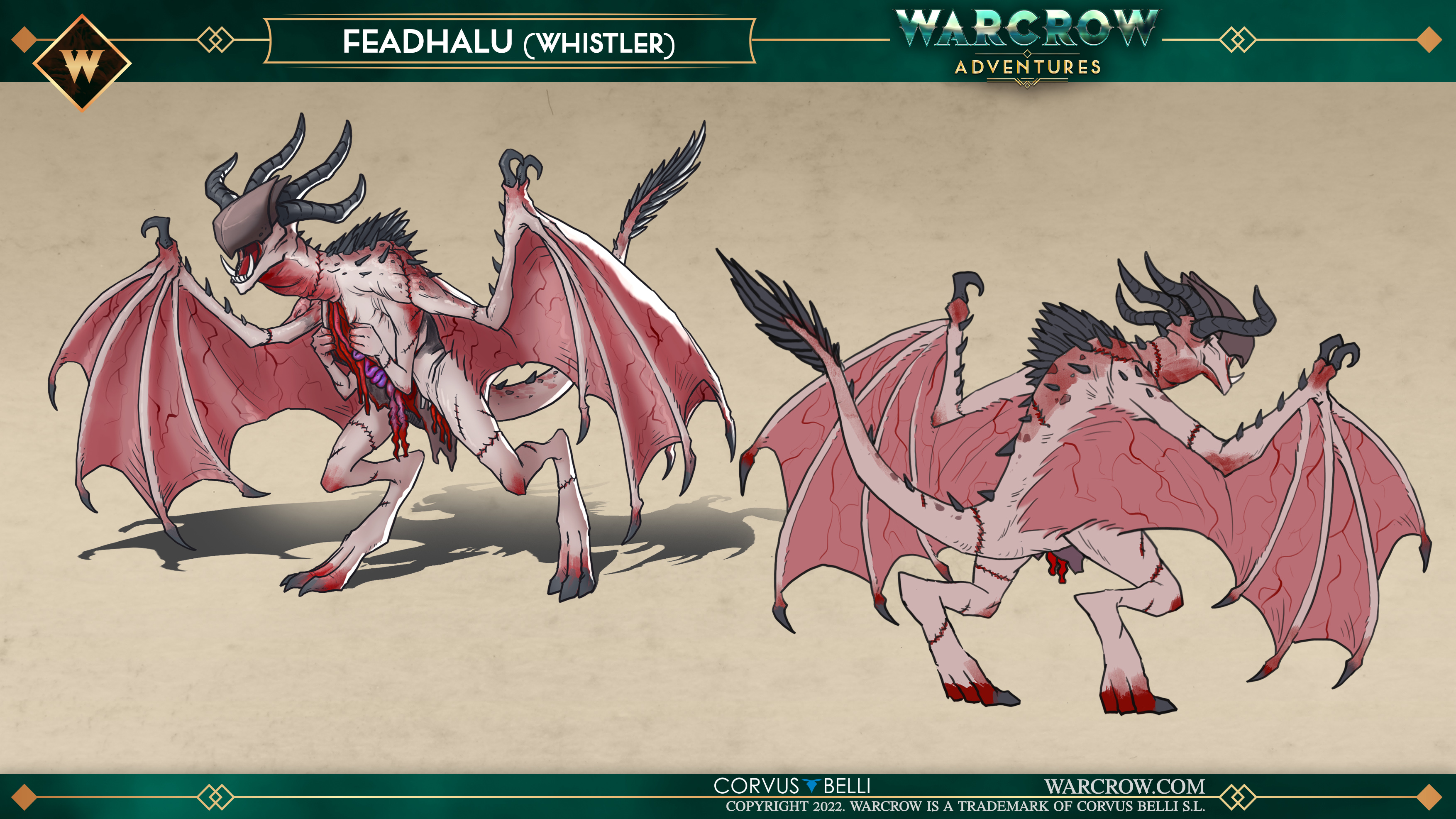
Nevertheless, when the time came to sketch how the Whistlers would look like, things started to change. And this was a combination of multiple factors. When designing a character, we must keep in mind the ultimate goal: the miniature it will become. That is the reason for some designs to be discarded - what could seem like a perfect concept art at first sight, might have inconveniences for the future model sculpt and cast. And that happened to the Feadhalu.
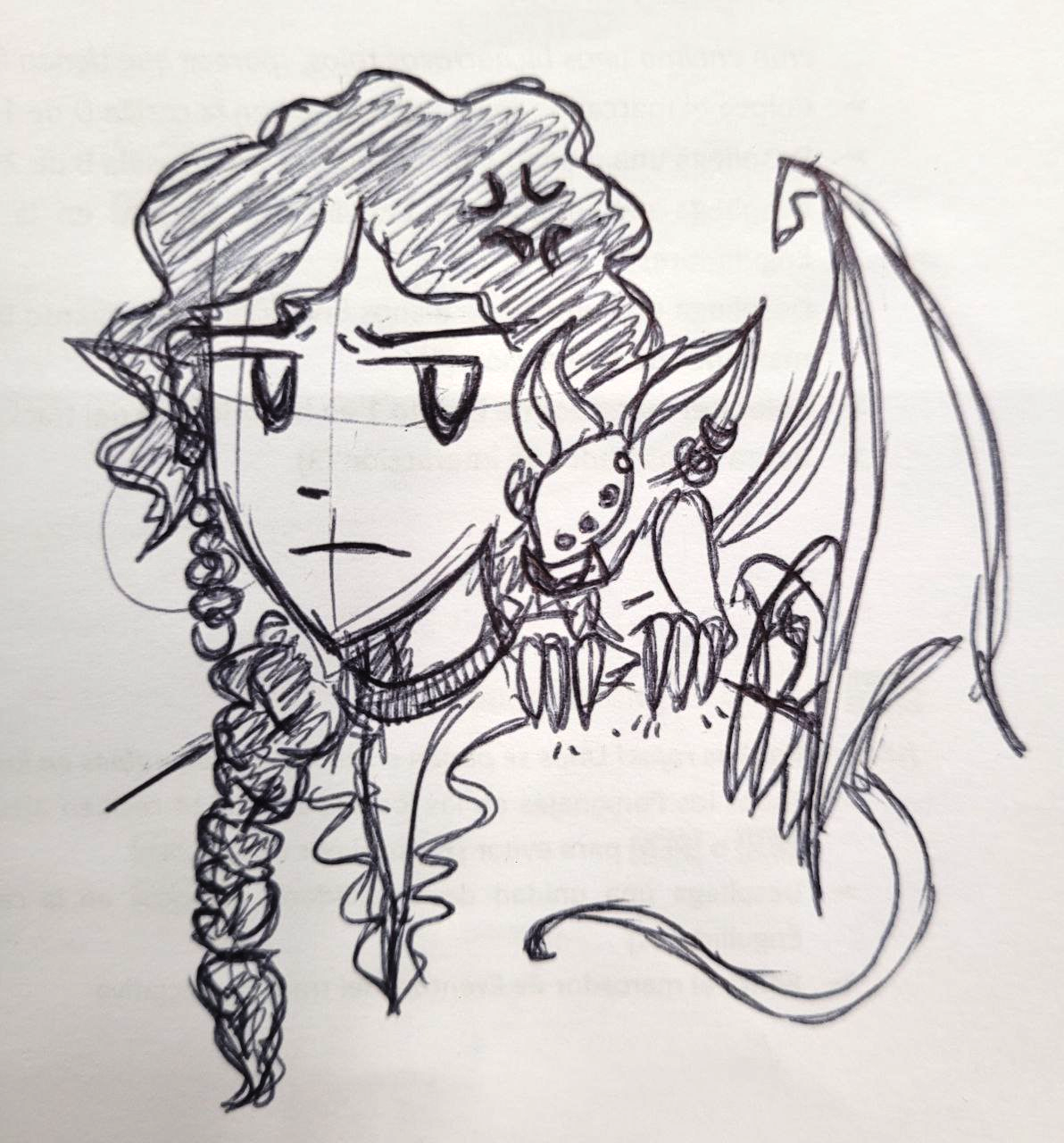
So, what changed? Was the future model so relevant for the game mechanics of the flying bullhorn? Yes, it was. For starters, the Whistlers did not come in colonies (or camps) anymore, they were individual creatures, more solitary, and without the tendency to group they had before. They were not as tiny as a bat, but grew notoriously in height: roughly, 60cm/24 inches tall, in case of the smallest ones. They maintained their piercing howl, but now they produced it by pressing the fleshy bags on their open chests, the same as playing a bagpipe! Since they came from the Living Flesh discipline, they now were assembled by sowing together the parts of different animals, like the Kipleacht (and now that I remember, the Whistlers were originally from the Fog discipline - what a trip down memory lane!). They could not perch on Samara’s shoulder anymore but still had a close relationship with them - you will find out why. Also, for the wargame we had to change entirely its dynamics, but I shall silence myself before the Higher Deities send their hounds to get me.
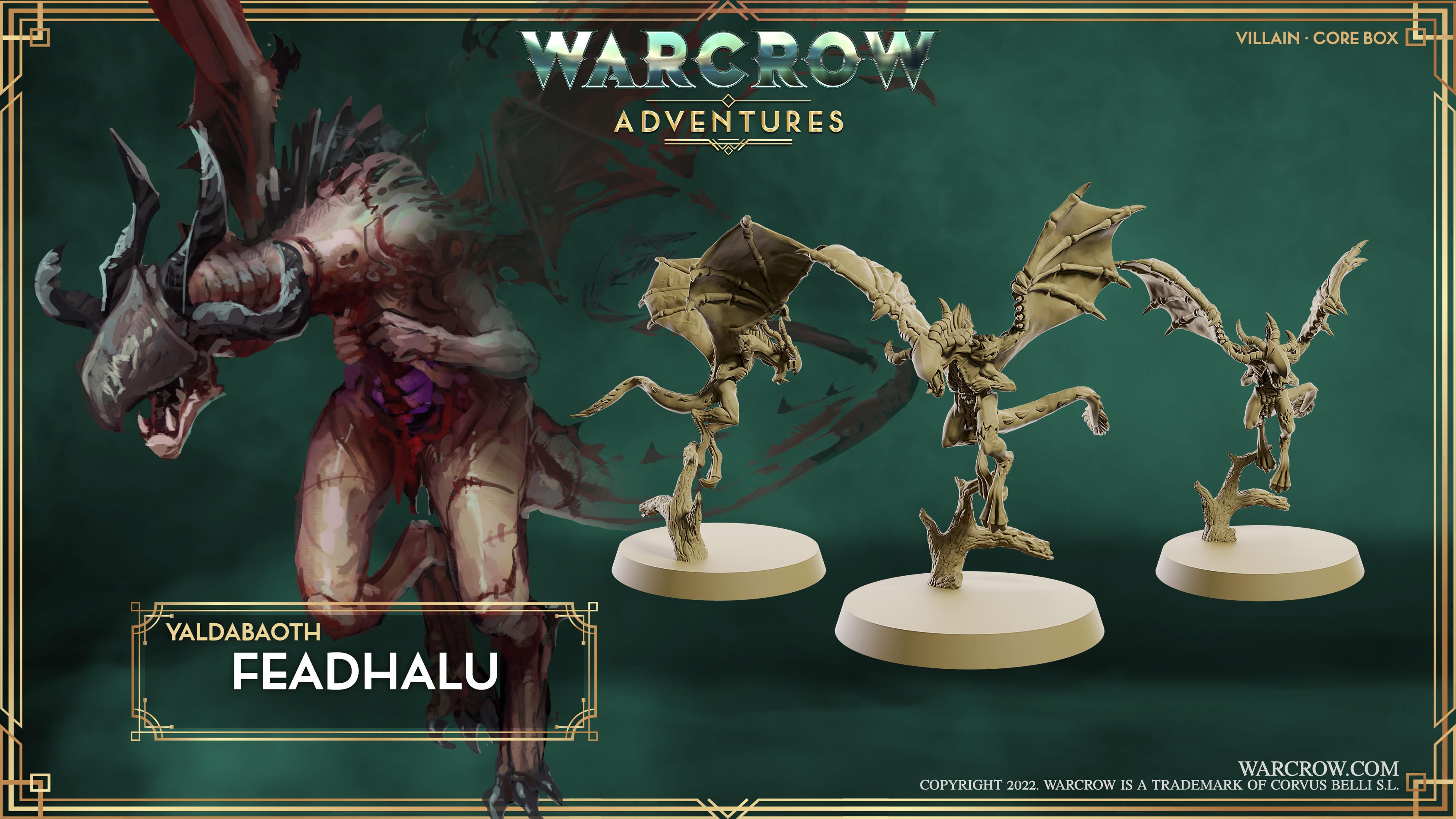
Now you know a bit more not only about the Feadhlau, but the whole design process. We’ve commented before on how entangled and organic the whole chain is, and how narrative, game mechanics, sculpting viability and product requirements are intertwined and influence each other. If you’d like to learn about more aspects of the designing process, check the other articles we have on the website and enjoy! Also, if there is something specific you’d like us to cover in future articles, don’t be shy! Tell us!
It has been a pleasure sharing one of our not-so-little beasts. See you next time!