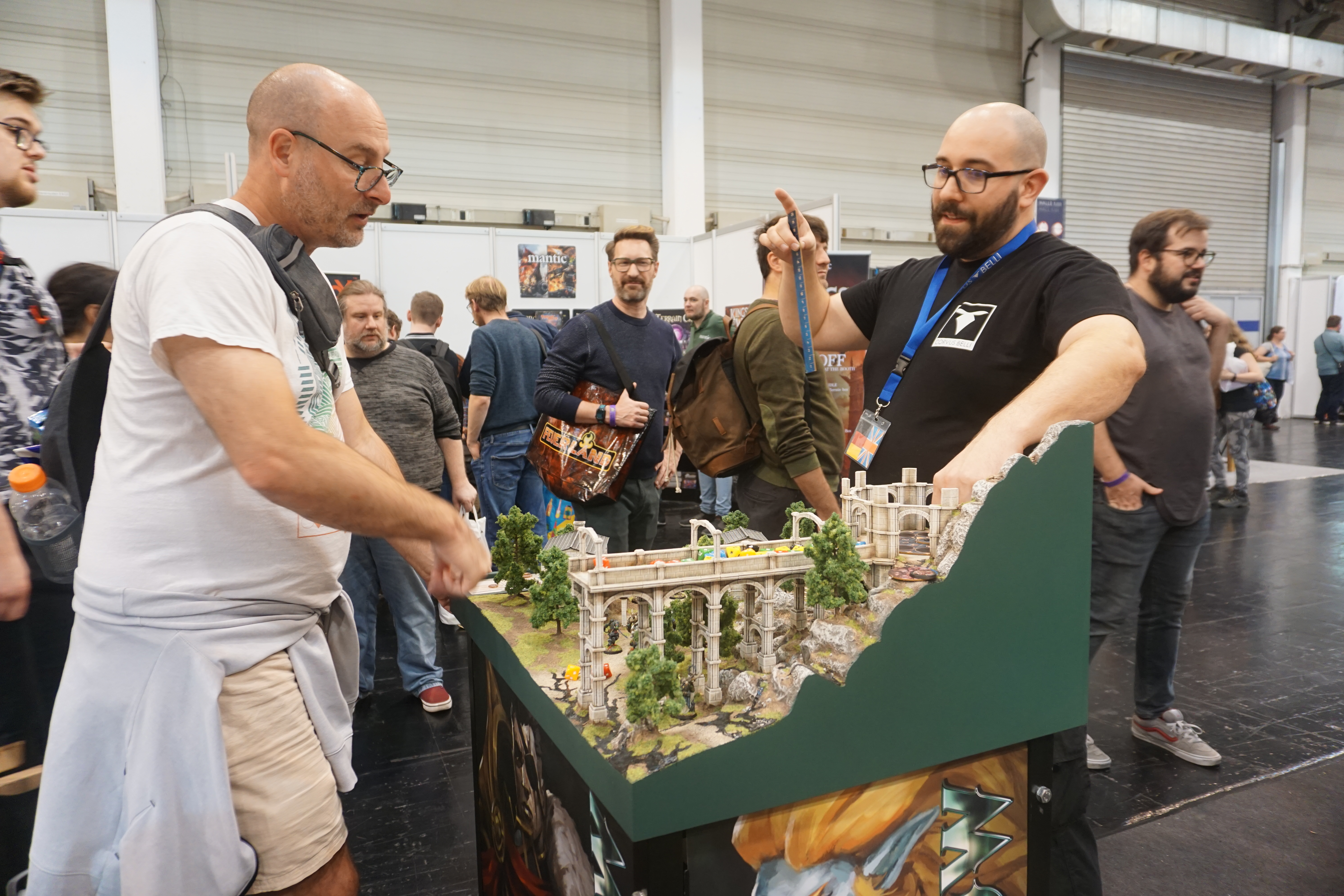
Games are not born perfect; you improve them by testing them. That's why the game testing phase is necessary. Let us tell you how Warcrow's testing has been.
The evolution of Warcrow through feedback
Games are not born perfect, and the way to improve their design is by testing them. That's why the testing phase is so important. Here at Corvus Belli, we take it very seriously!
This year, we've dedicated a lot of effort to conduct demos, both for our testing team and for the public during the different tabletop gaming events we partook in, including: Gen Con, Interplanetario, Freak Wars, or Spiel Essen. This way, we've obtained feedback from a wider audience:
Detecting flaws
Here, we'll tell you about some defects that you've helped us find and how we've improved them:
Fog marker
It was an element that seemed to complicate the game. We could see it thanks to the sheer number of demos we conducted, and our decision was to replace it with smaller markers with their own dynamic (you'll find out about them when you have them in your hands). :P
Straight movement
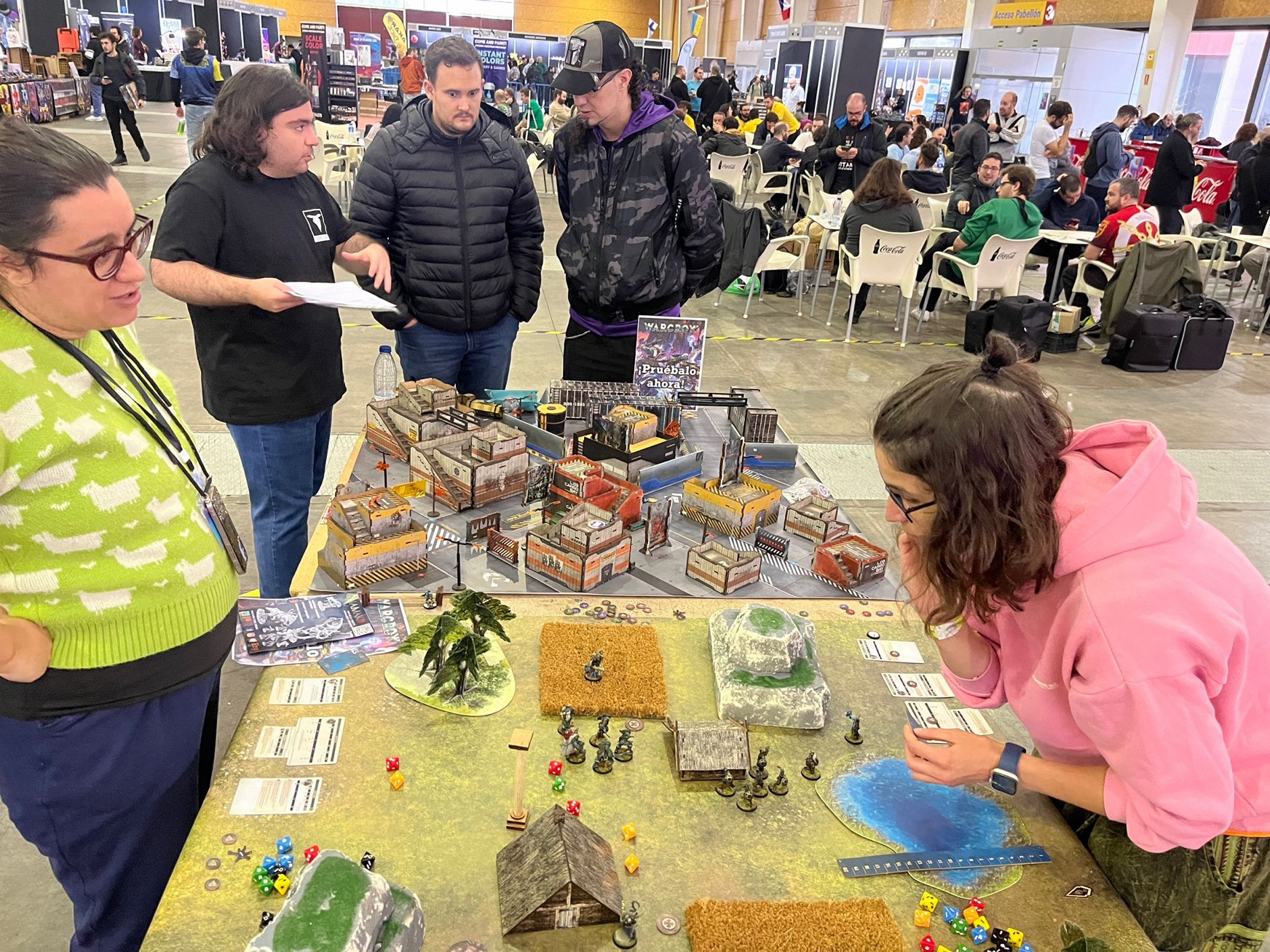
We've introduced the charge movement, which allows placing the ruler and moving directly. The charge value is now expressed directly in the profiles, and that's something we changed thanks to the feedback. Previously, players had to do the calculation themselves, taking into account the base value, which made the operation difficult.
Now, it's as simple as placing the movement template and advancing to engage in combat. This charge value has allowed us to add more richness to the profiles, since it becomes yet another design tool. Some units have a higher charge value (like cavalry, did you think a horse or a direwolf wouldn't run? Wait, there're direwolves? gets dragged away), while others not so much because they are not designed to charge (like mages, for example... do you imagine Gerardo charging? Neither do we).
Player B: "It's quite intuitive, the information is clear."
Pre-measuring
In Warcrow, pre-measuring is allowed, which is something that many people like. Many games do not allow pre-measuring during matches, and only when the action is declared is the ruler placed on the table. This causes players to lose part of their strategies due to the uncertainty of "not knowing if they'll manage," leading to not taking risks, resulting in static games. By allowing pre-measuring, our players can have control over their possibilities at all times.
Magic system
We've readjusted the magic system, and now it's much cooler. We've eliminated Ritual tokens because they didn't make a lot of sense, and this eases the use of markers during the game. Now, we manage the addition of Tinge to profiles through the dice themselves. Instead of receiving Tinge and then having the player manage it, we make players take a risk with a roll, facing their own will against a certain number of dice. Players don't get Tinge directly, but by being able to enhance spells to the extreme, the probability increases. Now, magic has a feeling of betting against oneself, which players seem to like.
Combat resolution
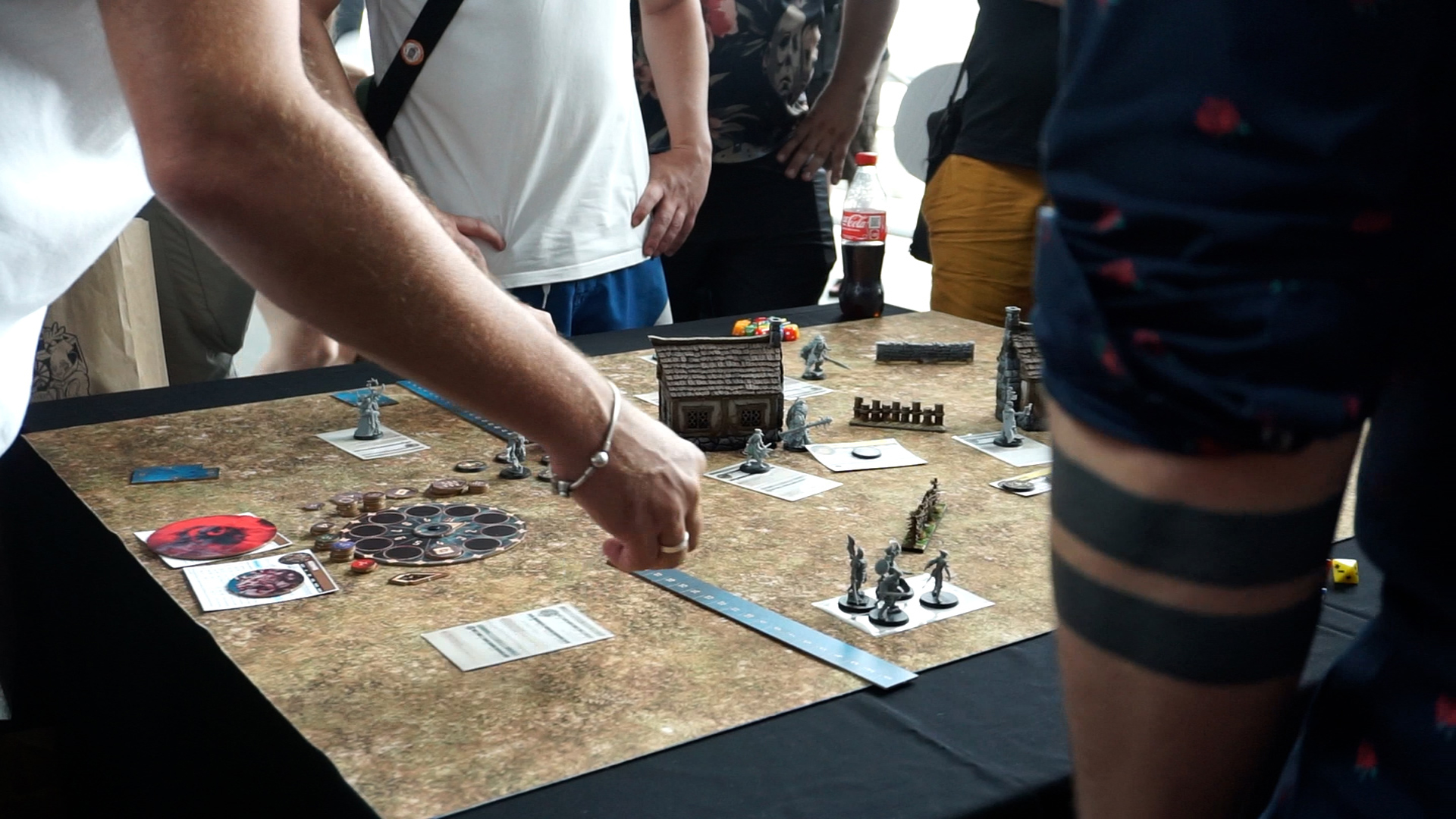
We have clearly defined the steps to follow during combat resolution to avoid confusion when applying effects (like stress) and triggering consequences (like rejecting defeated units). Without a clear structure to follow, testing sessions used to end up creating bizarre situations, especially when one tester thought of an order for the resolution steps and another thought of a completely different order. Of course, players will always lean towards what benefits them the most. Now, with a clear structure for everyone, we prevent confusions, and the possibility of putting our players in unfair situations is eliminated.
Distances
Distances are now always measured from the leader of the unit, making shooting and charges work much better. Before, any unit could be used to calculate distances. And this—which initially doesn't seem to have anything negative about it—is a massive complication when designing battles, especially in situations where more than one unit may be involved. The leader troopers were already the reference for movement.
What we've empowered
Although we do everything with a lot of love and passion, there are details that went under our radar when playing. Some of them, however, created a sensation during demos. That's why we've decided to give them more presence and empower them. Here are some of them:
Turn and Round counters
People enjoy event planning, having a way to manage rounds and activations; timing becomes much easier for events, states, rounds...
Events
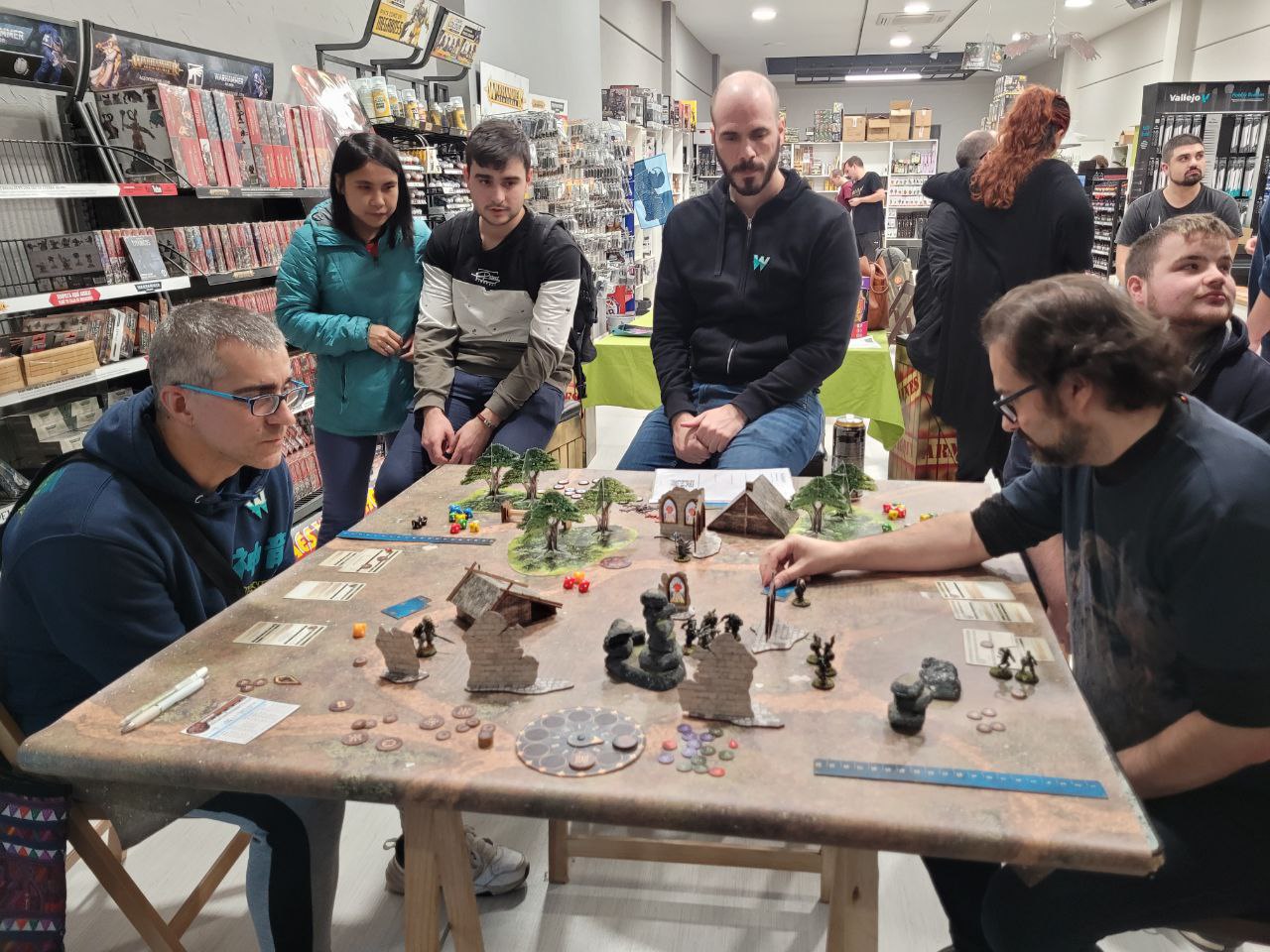
Although some events can happen spontaneously, they always have a way of being visible on the counter. What little randomness the surprise element may have then falls under the control of players: thanks to the counter, they know how much time thay have left until the Mórnmab becomes active, the Fog moves, or any other narrative event occurs (which you'll see, soon...). Time management is something that our players value a lot.
Events are not a groundbreaking concept, but we can say that they're elements that are not usually present in wargames (they're usually present in other types of games, like Dungeon Crawlers). Our audience seems to really like the narrative component of scenarios and knowing that their interactions can trigger consequences in all directions (like influencing NPC reactions, causing weather changes, receiving magical responses, and so on).
Usually, events are tied to scenario conditions ("when you attack X building", "when the opponent does Y"). Our events rely on the unexpected aspect: the surprise element.
Player J: "I love the fact that there are narrative events happening on the battlefield; it makes you have to think on your feet."
Our players' favorites
On the other hand, these reports have also helped us understand the strengths of our product and to know what peaks your interest about Warcrow. The most common replies revolve around the following elements:
Alternate activation
Alternate activation makes the game more fun, agile, and much more reactive and immersive. You have to be attentive all the time to both your activations and your opponent's. When everything activates in a single turn, players can get a feeling of unease or frustration by things they can't avoid or mitigate. At times, it can even be boring, since any player has the right to take their time to evaluate their decisions. Once again, by knowing that you can activate one unit per turn, Warcrow brings time management into play again, making everything more agile.
Custom dice and switches
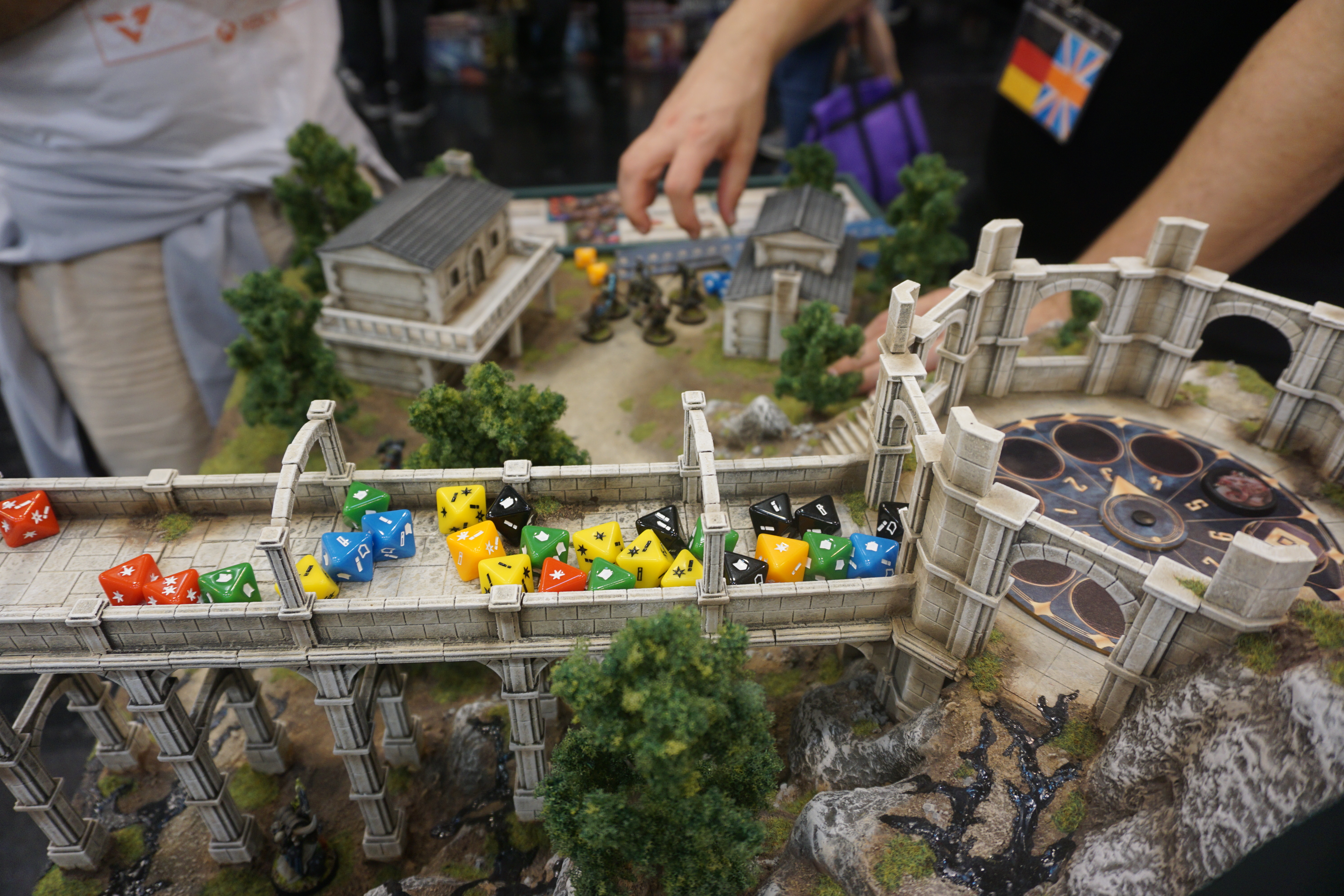
Switches have been a success. Those coming from Defiance and Aristeia! already knew and love them. The newer audience has also shown great enthusiasm about them. With switches, rolls are no longer so "bland," and the feeling that you have options is almost always present. Whether it is to heal wounds, displace units, push, or impose states, switches enrich rolls with symbols and make even the most basic trooper much more interesting.
Stress/Morale
The units' limit for activations has been well-received because, regardless of how powerful a unit is, it always has a limit to perform its actions. Additionally, stress management is straightforward, and the fact that it can be added as a result of combat, a switch activation, or a spell adds versatility to the games.
Player J: "I would definitely buy this game because it's fast, entertaining, and the miniatures are really cool."
"No One Left Behind"
With this rule, all units have their chance to join the fray. We realized that if players focus on a specific activity with certain units (for example, taking an objective), they often forget about the units they leave in the rear. That conveys a frustrating feeling because you've made the list and paid the points to play with your units, and you don't want them to be left behind. By being able to bring them closer at the end of the round, players have greater control over their position on the battlefield and can devise their strategies with more elements, not just with the units that've already moved.
For now, and until the release date, we'll continue to conduct demos and listen to your opinions as we develop the wargame. Together, we are creating a pretty incredible game! We can't wait to try the final version!
And you, have you played a demo? Tell us what you think!